PROJECT · 2022–2025
İTÜ Racing — Accumulator & Electrical Systems
High-voltage accumulator and tractive-system electrics for İTÜ Racing's Formula Student electric car, from design reviews to scrutineering.
- Role
- Electrical Systems member (2022–2024), Team Captain (2024–2025)
- Period
- 2022–2025
- Status
- Completed
- Tags
- #formula-student#high-voltage#batteries#leadership
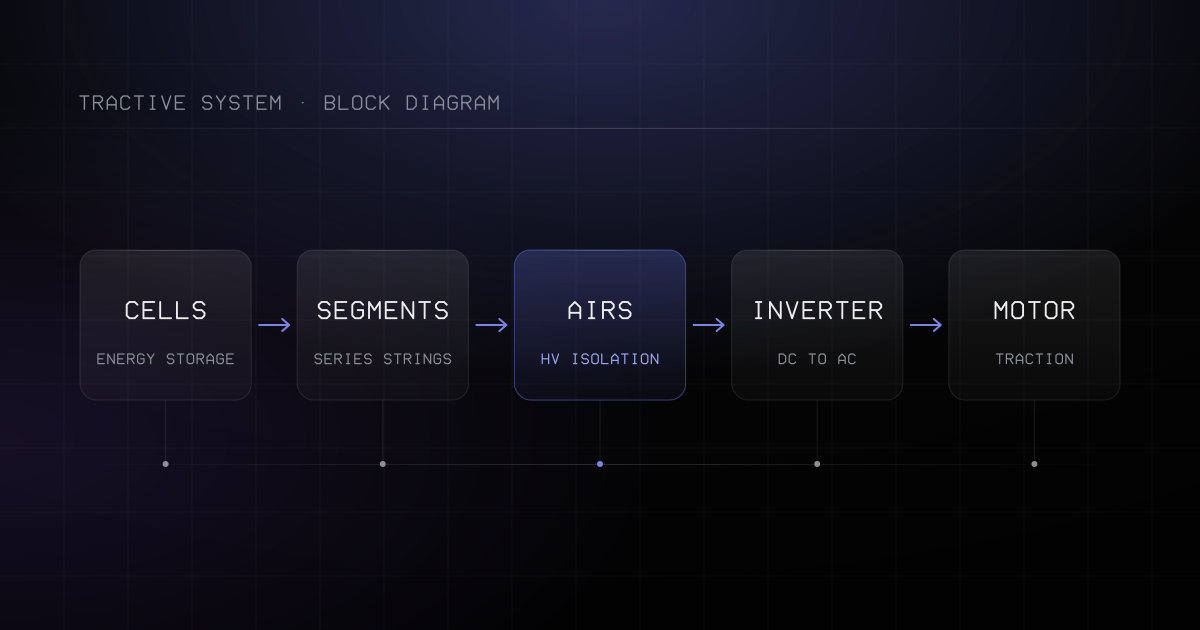
The problem
A Formula Student electric car carries a high-voltage accumulator that has to be safe, light and serviceable, and it has to pass scrutineering before the car may drive at all. The rules set hard limits on voltage, energy, isolation and fusing, so every design choice in the battery and tractive system is checked against them. [TODO: the car or season this work was for]
What I did
From 2022 to 2024 I was part of the Electrical Systems team, working on the high-voltage accumulator and the tractive-system electrics. I helped prepare the car’s electrical systems for EV scrutineering, the inspection where judges physically check the high-voltage design. In 2024–25 I captained the team. [TODO: your specific responsibilities, team size and key decisions as captain]
Results
[TODO: competitions entered, scrutineering outcome, and one measurable result such as pack mass, energy or inspection time]
What I learned
Working backwards from the rules is faster than designing first and checking later; it is the subject of my note on accumulator design. [TODO: one or two lessons from leading the team]
Related notes
1 min read
Designing a Formula Student accumulator: the rules decide first
Before cell choice or cooling, the Formula Student rules fix most of an accumulator's architecture. Here's how I learned to design backwards from them.